
Table of Contents
- What is Social Trading?
- Types of Social Trading
- How to Start Social Trading
- Advantages of Social Trading
- Disadvantages of Social Trading
- Key Considerations Before Getting Started
- Conclusion
The forex market is one of the most dynamic and liquid financial markets, where every decision can lead to substantial profits or losses. Navigating this market requires analyzing complex factors like trends, technical charts, and economic indicators, which can be overwhelming for beginners. Fortunately, social trading has emerged as a game-changer, making forex trading more accessible by allowing newcomers to follow and learn from experienced traders.
In this guide, we’ll explore the concept of social trading, its benefits, types, and how you can get started. Whether you’re a novice or an experienced trader, this guide will help you understand how to make the most out of social trading in forex.
What is Social Trading?
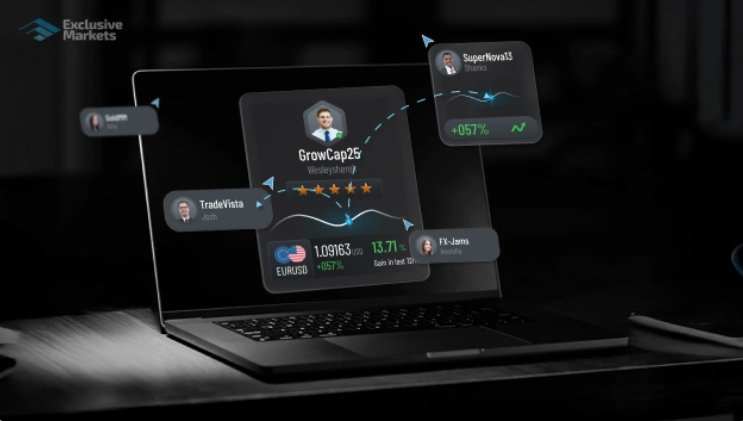
Social trading is a method where individuals replicate or follow the trading strategies of experienced traders. Instead of analyzing the market on their own, beginners can observe expert traders in action and either mirror their trades or learn from their techniques. This allows users to make more informed decisions without needing technical expertise.
Social trading platforms facilitate this by creating a community where traders of all experience levels can connect. These platforms often provide tools to view the performance of expert traders, access their strategies, and even copy their trades automatically.
Key Features of Social Trading:
- Trading Transparency: Platforms provide detailed insights into experienced traders, including their trading history, past performance, and risk levels, enabling followers to make informed decisions.
- Automated Execution: Many platforms allow followers to automatically copy the trades of selected expert traders in real time, making social trading hands-off.
- Community Interaction: Users can engage with other traders, discuss strategies, and share market insights through forums or social feeds within the platform.
- Diverse Strategies: Traders can choose to follow a variety of strategies based on their goals and risk tolerance.
Types of Social Trading
Social trading has evolved into various forms, each with unique features. The two most common types are:
1. Copy Trading
Copy trading allows users to replicate the trades of successful traders in real-time. This means that when the expert trader makes a move, the same trade is automatically mirrored in the follower’s account, with proportional investment amounts. Copy trading offers a hands-off way for new traders to participate in the forex market.
Learn More: [The Benefits of Copy Trading]
2. PAMM (Percentage Allocation Management Module)
In PAMM trading, investors pool their funds and allocate them to a skilled fund manager. The manager then trades on behalf of the investors, and profits (or losses) are shared based on the proportion of each investor’s contribution. Unlike copy trading, where individual accounts mirror trades, PAMM combines funds into a single account managed by a professional trader.
How to Start Social Trading?
Starting with social trading is straightforward. Here’s a step-by-step guide:
Step 1: Choose a Reliable Platform
Select a reputable, licensed platform that offers social trading features. Look for platforms that:
- Offer an easy-to-use interface
- Have a large community of experienced traders
- Provide transparent performance statistics
- Support automated copy trading
- Ensure regulatory compliance and security
Step 2: Create an Account
Once you’ve chosen your platform, register for a social trading account and complete the necessary verification steps, such as submitting identity documents. This ensures your account complies with regulatory standards and is secure.
Step 3: Set Your Investment Budget
Decide how much capital you’re comfortable investing in social trading. Most platforms offer various funding options like credit/debit cards, bank transfers, and online payment methods. Be sure to check any minimum deposit requirements and understand associated fees before you deposit funds.
Step 4: Select Experienced Traders to Follow
The success of social trading depends largely on the traders you follow. Browse the platform’s list of top-performing traders, assess their risk levels, strategies, and performance metrics. Pay attention to:
- Profitability over time
- Trading frequency and strategy
- Maximum drawdown (risk measurement)
- Number of followers and feedback
Step 5: Set Risk Management Parameters
Most platforms allow you to set limits such as:
- Maximum capital allocation per trader
- Stop-loss limits to minimize losses
- Trade size customization based on your risk appetite
Step 6: Start Copying Trades
Once you’ve selected traders and set your risk parameters, you can start copy trading. Remember, social trading isn’t completely passive. Regularly monitor your portfolio, the performance of traders you follow, and adjust your settings as needed.
Advantages of Social Trading
Social trading offers several compelling benefits, particularly for beginners:
- Accessibility for Beginners: Social trading allows new traders to participate without the need for technical expertise. By following seasoned traders, they can learn market trends and trading strategies.
- Time Efficiency: Since beginners don’t need to conduct in-depth analysis, social trading saves time while still offering market participation.
- Potential for Profit: By mimicking successful traders, users have the chance to earn returns without actively managing their trades. However, outcomes can vary depending on the trader’s performance.
- Community Learning: Social trading platforms provide a space for users to learn from other traders, share insights, and discuss strategies.
- Automated Trading: Many platforms offer automated copy trading, ensuring that trades are executed without manual intervention, even when you’re not actively monitoring the market.
Disadvantages of Social Trading
While social trading offers advantages, it also comes with risks:
- Dependence on Other Traders: Your success in social trading is tied to the performance of the traders you follow. If they make poor decisions, you might incur losses.
- Market Risk: Forex trading is inherently risky. Even expert traders can face losses, and there’s no guarantee of profit.
- Limited Control Over Trades: Social trading often involves relying on the decisions of others, which means you have less control over individual trades compared to manual trading.
- Fees: Some social trading platforms charge fees for copying trades, withdrawing funds, or accessing advanced features. Always review the fee structure before committing.
- Over-Reliance on Past Performance: While past performance can indicate a trader’s skill, it’s not a guarantee of future results. Market conditions change, and even top traders experience losing streaks.
Considerations Before Starting Social Trading
Before diving into social trading, keep these key points in mind:
- Risk Tolerance: Make sure your investment strategy aligns with your risk tolerance and financial goals.
- Platform Selection: Choose a platform that is well-established, licensed, and transparent about its fees and services.
- Trader Strategy: Understand the strategy of the traders you plan to follow, especially their risk management approach.
Conclusion
Social trading provides an exciting opportunity for beginners to enter the forex market by leveraging the expertise of more experienced traders. Both copy trading and PAMM have their pros and cons, so it’s essential to do your research before getting started. With the right approach, solid risk management, and careful selection of traders, social trading can be a valuable tool for any trader looking to learn and grow in the forex market.
FAQs
- Is social trading profitable?
- Social trading can be profitable, but it’s not without risk. Success depends on selecting the right traders to follow and using proper risk management.
- Is social trading legal?
- Yes, social trading is legal in many countries, but regulations vary. Always choose a platform that complies with local financial regulations.
- Can I start social trading with a small investment?
- Many platforms allow you to start with a low deposit, making social trading accessible to beginners. Be sure to understand all associated fees and risks.
- Do I need prior trading experience?
- No, social trading is designed for beginners, but having a basic understanding of trading concepts can help you make more informed decisions.
- Which platforms offer social trading?
- Several platforms offer social trading, but it’s important to choose one with strong security, transparency, and positive user reviews. Do your research before signing up.
Get high-accuracy trading signals delivered directly to your Telegram. Subscribe to specialized packages tailored for the world’s top markets:
Free Crypto Signals Subscribe via Telegram
Free Forex Signals Subscribe via Telegram
Free VIP Signals (Gold, Oil, Forex, Bitcoin, Ethereum, Indices) Subscribe via Telegram
Free Trading Acoount Open With ORON LIMITED Signals (Gold, Oil, Forex, Bitcoin, Ethereum, Indices)
Open Account
Not profitable? Don’t worry! Join our copy trading system where we provide lower risk returns. Benefits of Joining Us:
-Lesser Risk as lot size is minimal
-Higher returns (approx. 5% to 10% monthly)
-Easy Deposit and Withdrawal with USDT using crypto wallets
-Lesser Drawdown
-Instant Support
-Invest Now and get guaranteed returns with us. DM us for more info❤️
-Start Now
*Copy Trading is free but we charge some percentage of profit as fees.*
Full VIP signals performance report for September 22–26, 2025:
