
Table of Contents
- What is Social Trading?
- Different Types of Social Trading
- Getting Started with Social Trading
- Benefits of Social Trading
- Drawbacks of Social Trading
- Final Thoughts
The foreign exchange (Forex) market is one of the largest and most volatile financial markets in the world. Navigating this fast-paced environment can be challenging for new traders, who must analyze market trends, economic reports, and technical indicators. However, with the rise of social trading, Forex trading has become more accessible to beginners.
In this guide, we’ll explore the basics of social trading, its key features, the pros and cons, and essential tips for getting started.
What is Social Trading?
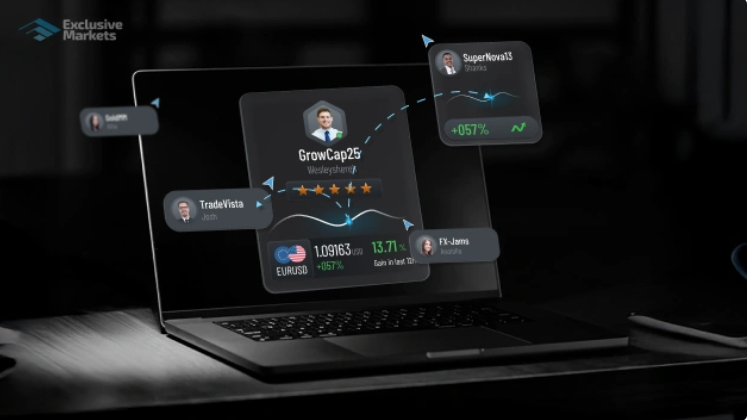
Social trading is a method that allows individuals to follow and replicate the trades of more experienced traders. Instead of conducting their own market analysis, beginners can benefit from the expertise of seasoned traders by copying their trades or simply observing their strategies.
Social trading platforms connect traders of all experience levels, enabling them to share trading strategies, insights, and performance data. This makes it easier for newcomers to make informed decisions without needing in-depth knowledge of technical analysis.
Key Features of Social Trading:
- Transparency in Trading: Social trading platforms show detailed information about the performance, trading history, and risk profiles of experienced traders. Users can use this data to choose who to follow based on their risk tolerance and financial goals.
- Automated Copying: Some platforms offer automatic copy trading, meaning that when a professional trader opens, modifies, or closes a trade, the same action is mirrored in the follower’s account automatically.
- Community Engagement: Social trading platforms often include forums, chats, or social feeds where traders can discuss market trends, strategies, and economic events, sharing insights in real time.
- Diverse Strategies: Traders can choose to follow traders who use different trading techniques based on their own goals, risk appetite, and interests.
Types of Social Trading
There are several approaches to social trading, with the most popular being:
- Copy Trading: This is when users replicate the trades of experienced traders in real time. Whenever the professional trader opens, modifies, or closes a position, the same actions are mirrored in the follower’s account.
- PAMM (Percentage Allocation Management Module): In this model, investors pool their funds into a single account managed by a professional trader. Profits and losses are shared among investors based on their proportionate share of the fund.
How to Start Social Trading
Starting with social trading is simple but requires careful thought and planning. Follow these steps to begin:
Step 1: Choose a Trusted Platform
Pick a reliable social trading platform that is user-friendly and offers features like performance transparency, automated copy trading, and regulatory compliance.
Step 2: Register and Create an Account
Sign up for the chosen platform and complete identity verification (this may involve submitting documents to ensure compliance with regulations).
Step 3: Determine Your Investment Budget
Decide how much capital you’re willing to invest. Most brokers offer a range of payment options and set minimum deposit requirements. Be sure to check for any fees associated with deposits, withdrawals, or other services.
Step 4: Select the Traders to Follow
Browse through the profiles of successful traders and choose those whose strategies align with your financial goals and risk tolerance. Analyze their performance history, risk levels, and trading styles before committing.
Step 5: Set Up Risk Management Parameters
Configure settings such as the maximum capital you want to allocate to each trader, stop-loss limits, and trade size. Most platforms allow users to manage their risk exposure in this way.
Step 6: Start Copying Trades
Once you’ve selected the traders to follow and set your risk parameters, begin copy trading. Even though it’s automated, regular monitoring is essential to ensure the traders you follow continue to align with your objectives.
Advantages of Social Trading
Social trading offers several benefits, making it an appealing option for both beginners and more experienced traders:
- Accessibility for Beginners: Social trading lets newcomers participate in Forex without needing to understand the complexities of technical analysis. By observing or copying expert traders, beginners can learn market trends and trading strategies.
- Saves Time: Beginners don’t need to spend hours analyzing the market. Social trading allows them to focus on copying successful trades rather than performing in-depth research.
- Potential Profits: By following skilled traders, users can potentially profit from their strategies, even if they aren’t actively managing their trades.
- Learning from a Community: Many platforms allow users to interact with other traders, discussing strategies and sharing insights. This community learning environment can be a great way to grow your trading knowledge.
- Automated Trading: Some platforms offer automated copy trading, which means trades are executed automatically in your account based on the actions of the trader you follow.
Disadvantages of Social Trading
While there are many benefits, social trading also has its drawbacks:
- Reliance on Other Traders: Your success is largely dependent on the traders you follow. If they make poor trading decisions, you might suffer losses as well.
- Market Risk: Forex trading inherently involves risks. Even the best traders can face losses, and there is no guarantee of profitability.
- Limited Control: Unlike manual trading, where you make decisions based on your analysis, social trading involves following someone else’s judgment, which might not always align with your preferences.
- Fees: Some platforms charge additional fees for copying trades or accessing advanced features. Always check for hidden charges before committing.
- Over-Reliance on Past Performance: Past performance is no guarantee of future results. Market conditions change, and even top traders can experience periods of underperformance.
Key Considerations Before Starting Social Trading
Before diving into social trading, take the following factors into account:
- Risk Tolerance: Understand your risk appetite and ensure that your chosen traders align with your financial goals and ability to handle risk.
- Choosing a Platform: Ensure the platform you choose is licensed, secure, and transparent about fees and services.
- Understand Traders’ Strategies: Research the strategies of the traders you follow, including their risk management techniques, so you understand the risks involved.
Conclusion
Social trading offers an accessible way for beginners to get started in Forex trading by following and replicating the strategies of experienced traders. With models like copy trading and PAMM, new traders can benefit from the knowledge of others without needing to develop their own trading strategies.
However, it’s important to conduct proper research, manage risk, and understand the mechanics of social trading before jumping in. Whether you choose copy trading or PAMM, approach social trading with caution and clear expectations.
FAQs
- Is social trading profitable?
Social trading can be profitable, but it carries risks. It’s important to research traders thoroughly, diversify, and implement sound risk management. - Is social trading legal?
Yes, social trading is legal in many countries, but regulations vary by region. Choose a platform that complies with local financial regulations. - Can I start social trading with a small investment?
Yes, many platforms allow small initial deposits, making social trading accessible to beginners. Be sure to understand fees and leverage before investing. - Do I need trading experience for social trading?
No, but having a basic understanding of trading and risk management can improve your ability to make informed decisions when selecting traders to follow. - Which platforms offer social trading?
Several online brokers provide social trading services. Research the platforms carefully to find one that is secure, transparent, and has positive reviews from users.
Get high-accuracy trading signals delivered directly to your Telegram. Subscribe to specialized packages tailored for the world’s top markets:
Free Crypto Signals Subscribe via Telegram
Free Forex Signals Subscribe via Telegram
Free VIP Signals (Gold, Oil, Forex, Bitcoin, Ethereum, Indices) Subscribe via Telegram
Free Trading Acoount Open With ORON LIMITED Signals (Gold, Oil, Forex, Bitcoin, Ethereum, Indices)
Open Account
Not profitable? Don’t worry! Join our copy trading system where we provide lower risk returns. Benefits of Joining Us:
-Lesser Risk as lot size is minimal
-Higher returns (approx. 5% to 10% monthly)
-Easy Deposit and Withdrawal with USDT using crypto wallets
-Lesser Drawdown
-Instant Support
-Invest Now and get guaranteed returns with us. DM us for more info❤️
-Start Now
*Copy Trading is free but we charge some percentage of profit as fees.*
Full VIP signals performance report for September 22–26, 2025:
